

- Адрес:Room 715, Kaiyun Business Center, No. 3 Ji'an Street, Jixian Road, Guangzhou, Guangdong, China
- Телефон:1388xx888xx
- Мобильные телефоны:1388xx888xx
- Почтовый ящик:1388xx888xx@gmail.com
Текущее местоположение: Главная страница> Информационный центр> Сенсация в мире энергии Водородные станции нового поколения
Сенсация в мире энергии Водородные станции нового поколения
Добавить время:2026-01-09
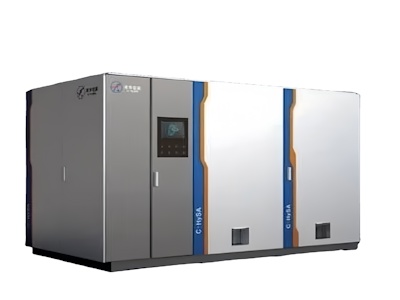
В современном мире, где экологические проблемы и энергетический кризис становятся все более острыми, человечество ищет инновационные решения для устойчивого развития. Одной из самых promising технологий, которая привлекает внимание ученых, политиков и бизнесменов, является водородная энергетика. В частности, водородные станции нового поколения представляют собой настоящую сенсацию, способную кардинально изменить энергетический ландшафт. В этой статье мы подробно рассмотрим, что такое эти станции, как они работают, их преимущества, вызовы и будущее, которое они обещают.
Введение в водородную энергетику
Водород — самый распространенный элемент во Вселенной, и его использование в качестве источника энергии не является новой идеей. Еще в XIX веке ученые экспериментировали с водородом, но только в последние десятилетия технологические достижения позволили сделать его практичным и экономически viable. Водородные станции — это инфраструктурные объекты, которые производят, хранят и распределяют водород для использования в различных секторах, таких как транспорт, промышленность и энергетика.
Новое поколение этих станций отличается повышенной эффективностью, безопасностью и экологичностью. Они используют передовые методы, такие как электролиз с возобновляемыми источниками энергии, что делает их ключевым элементом перехода к низкоуглеродной экономике. Согласно отчетам Международного энергетического агентства (МЭА), водород может обеспечить до 18% мирового спроса на энергию к 2050 году, если инвестиции и инновации продолжат расти текущими темпами.
Технологические инновации в водородных станциях
Одной из главных особенностей водородных станций нового поколения является использование advanced технологий. Например, современные станции интегрируют системы искусственного интеллекта для оптимизации производства и распределения водорода. Это позволяет снизить затраты и повысить надежность. Additionally, innovations in electrolysis, such as proton exchange membrane (PEM) electrolyzers, have made hydrogen production more efficient and scalable.
Another key innovation is the development of compact and modular station designs. These can be easily deployed in urban areas or remote locations, making hydrogen accessible to a wider range of users. For instance, companies like Toyota and Hyundai are investing in mobile hydrogen refueling stations that can support the growing fleet of fuel cell vehicles.
Safety has also been greatly enhanced. New stations incorporate redundant safety systems, real-time monitoring, and advanced materials that prevent leaks and explosions. This addresses one of the major concerns associated with hydrogen, which is its high flammability. With these improvements, hydrogen stations are becoming as safe as traditional gasoline stations.
Экологические преимущества
Водород, произведенный из возобновляемых источников энергии, such as solar or wind power, is completely carbon-free. This makes hydrogen stations a cornerstone of efforts to combat climate change. Unlike fossil fuels, hydrogen combustion produces only water vapor, with no harmful emissions. This is particularly important for reducing air pollution in cities and mitigating global warming.
Moreover, hydrogen can be stored and used as a buffer for intermittent renewable energy sources. For example, excess solar energy generated during the day can be used to produce hydrogen, which is then stored and used to generate electricity at night. This enhances grid stability and supports the integration of more renewables into the energy system.
The environmental benefits extend beyond emissions reduction. Hydrogen production can also utilize waste materials, such as biomass or plastic waste, through processes like gasification. This not only provides a clean energy source but also helps in waste management, contributing to a circular economy.
Экономическая выгода и рыночные перспективы
С экономической точки зрения, водородные станции нового поколения offer significant cost savings in the long run. While the initial investment is high, operational costs are lower due to higher efficiency and decreasing prices of renewable energy. According to a study by BloombergNEF, the cost of green hydrogen could fall by up to 85% by 2050, making it competitive with fossil fuels.
The market for hydrogen is expanding rapidly. Governments around the world are implementing policies and subsidies to support hydrogen infrastructure. For instance, the European Union's Hydrogen Strategy aims to install 40 GW of electrolyzers by 2030. Similarly, countries like Japan and South Korea are leading in fuel cell technology, creating a robust demand for hydrogen stations.
Business opportunities abound. Companies involved in hydrogen production, storage, and distribution are seeing increased investment. Startups are emerging with innovative solutions, such as hydrogen-powered drones or backup power systems. This economic momentum is driving job creation and technological advancement, positioning hydrogen as a key driver of future growth.
Вызовы и пути их преодоления
Несмотря на множество преимуществ, водородные станции сталкиваются с несколькими challenges. One major issue is the high cost of infrastructure development. Building a network of hydrogen stations requires substantial capital, and without widespread adoption, it can be difficult to achieve economies of scale.
Another challenge is public perception and safety concerns. Although modern stations are safe, misconceptions about hydrogen's dangers persist. Education and demonstration projects are essential to build trust and acceptance among consumers and communities.
Technological hurdles also remain. For example, improving the efficiency of hydrogen production and storage is crucial. Research is ongoing into better catalysts for electrolysis and advanced storage materials, such as metal hydrides or liquid organic hydrogen carriers, which could reduce costs and enhance performance.
To overcome these challenges, collaboration between governments, industry, and academia is vital. Public-private partnerships can accelerate deployment, while international cooperation can standardize regulations and promote best practices. With continued innovation and support, these obstacles can be addressed, paving the way for a hydrogen-based future.
Будущее водородных станций
Будущее водородных станций looks incredibly promising. As technology advances and costs decline, we can expect to see a proliferation of these stations worldwide. They will not only support transportation but also provide energy for industries, homes, and even space exploration. NASA, for instance, has long used hydrogen as a rocket fuel, and future missions may rely on hydrogen produced on Mars or the Moon.
In the coming decades, hydrogen stations could become as common as gas stations are today. Smart grids will integrate hydrogen production with renewable energy, creating a resilient and sustainable energy system. Moreover, the rise of hydrogen economies in regions like the Middle East, which have abundant solar energy, could transform global energy geopolitics.
Ultimately, водородные станции нового поколения represent more than just a technological innovation; they symbolize a shift towards a cleaner, more equitable world. By embracing hydrogen, we can reduce our dependence on fossil fuels, create new economic opportunities, and protect the planet for future generations.
Заключение
В заключение, водородные станции нового поколения являются настоящей сенсацией в energy sector. Они combine cutting-edge technology, environmental benefits, and economic potential to offer a viable solution to the world's energy challenges. While there are hurdles to overcome, the progress made so far is impressive, and the future looks bright. As we move forward, it is essential to continue investing in research, infrastructure, and education to fully realize the promise of hydrogen energy.
Whether you are a policymaker, investor, or simply a concerned citizen, understanding and supporting the development of hydrogen stations is crucial. Together, we can build a sustainable future powered by clean, abundant, and innovative energy sources. Сенсация уже здесь — и она только начинается!
Ключевые выводы:
- Водородные станции нового поколения используют передовые технологии для efficient производства и distribution водорода.
- Они предлагают значительные экологические преимущества, включая zero emissions и support для возобновляемых источников энергии.
- Экономическая выгода включает cost savings, job creation, и market growth.
- Вызовы, такие как high costs и safety concerns, могут быть overcome через collaboration и innovation.
- Будущее promises widespread adoption и integration into global energy systems.
Эта статья предоставляет comprehensive overview, но это только начало. Для более detailed information, consider exploring resources from organizations like the International Energy Agency or attending conferences on hydrogen energy. Stay tuned for more updates on this exciting field!
Предыдущая страница: Интеграция водородных систем энергетический прорыв будущего
Следующая страница: Поддержка водородных накопителей для максимальной эффективности в 2024 году