
- Адрес:Room 715, Kaiyun Business Center, No. 3 Ji'an Street, Jixian Road, Guangzhou, Guangdong, China
- Телефон:1388xx888xx
- Мобильные телефоны:1388xx888xx
- Почтовый ящик:1388xx888xx@gmail.com
Текущее местоположение: Главная страница> Информационный центр> Что такое портативная водородная энергетическая система и как она работает
Что такое портативная водородная энергетическая система и как она работает
Добавить время:2025-12-27
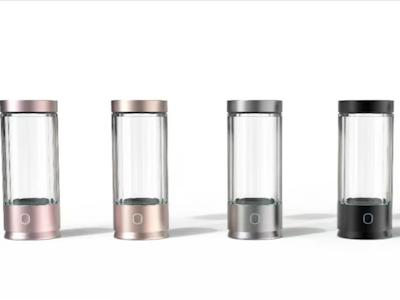
В мире, где энергетические потребности растут экспоненциально, а экологические проблемы становятся все более острыми, поиск устойчивых и эффективных решений становится критически важным. Среди множества инноваций в области возобновляемых источников энергии портативные водородные энергетические системы выделяются как многообещающая технология, способная трансформировать то, как мы производим, храним и используем энергию. В этой статье мы глубоко погрузимся в суть этих систем, исследуя их определение, компоненты, принципы работы, преимущества, вызовы и будущие перспективы. Мы также обсудим, почему водород, как энергоноситель, играет ключевую роль в переходе к зеленой экономике, и как портативные системы могут сделать эту технологию доступной для широкого круга применений – от бытового использования до удаленных экспедиций и аварийного резервирования.
Введение в водородную энергетику: почему водород?
Прежде чем перейти к портативным системам, важно понять контекст водородной энергетики в целом. Водород – самый распространенный элемент во Вселенной, но на Земле он редко встречается в свободной форме. Вместо этого он обычно связан в соединениях, таких как вода (H2O) или углеводороды. Что делает водород привлекательным в качестве энергоносителя? Во-первых, при его использовании в топливных элементах единственным побочным продуктом является вода, что делает его экологически чистым вариантом по сравнению с ископаемыми топливами, которые выделяют углекислый газ и другие загрязнители. Во-вторых, водород имеет высокую энергетическую плотность – примерно в три раза больше, чем бензин на единицу массы, хотя его объемная плотность ниже, что требует инновационных решений для хранения. Это сочетание чистоты и эффективности подталкивает ученых и инженеров к разработке технологий, которые могут harness водород для повседневного использования.
Исторически водород использовался в промышленных процессах, таких как производство аммиака или нефтепереработка, но его применение в энергетике начало набирать обороты в конце 20- века с развитием топливных элементов. Топливные элементы, которые преобразуют химическую энергию водорода непосредственно в электричество, стали краеугольным камнем водородной экономики. Однако до недавнего времени водородные системы были громоздкими, дорогими и в основном применялись в стационарных установках или транспортных средствах, таких как автобусы и автомобили. Появление портативных водородных энергетических систем знаменует собой важный шаг вперед, делая эту технологию более доступной и гибкой.
Портативные системы предназначены для мобильного или временного использования, предлагая компактные, легкие и easy-to-deploy решения. Они могут питать электронику, инструменты, или даже небольшие здания в отдаленных районах, где доступ к сети ограничен. Это особенно актуально в контексте изменения климата и растущего спроса на децентрализованную энергию. Например, во время стихийных бедствий портативные водородные системы могут обеспечить надежное энергоснабжение для спасательных операций, избегая зависимости от дизельных генераторов, которые загрязняют воздух и требуют частой заправки.
В этой статье мы разберем, как именно работают эти системы, начиная с основ водородного цикла и заканчивая практическими применениями. Мы также рассмотрим технические детали, такие как производство водорода, хранение, и преобразование энергии, а также обсудим экономические и экологические аспекты. К концу вы получите comprehensive понимание того, почему портативные водородные энергетические системы могут стать game-changer в энергетическом секторе.
Определение и компоненты портативной водородной энергетической системы
Портативная водородная энергетическая система – это компактное устройство или набор устройств, которые используют водород в качестве топлива для генерации электрической энергии. В отличие от крупномасштабных стационарных систем, портативные версии designed для мобильности, easy транспортировки и быстрого развертывания. Типичная система состоит из нескольких ключевых компонентов: источника водорода, системы хранения, топливного элемента, и иногда дополнительных элементов, таких как батареи для буферизации или инверторы для преобразования тока.
Начнем с источника водорода. Водород может быть произведен различными способами, включая электролиз воды (с использованием электричества для расщепления воды на водород и кислород), паровой reforming природного газа (который производит водород, но также CO2, поэтому не полностью зеленый), или биологические процессы. Для портативных систем наиболее common метод – это использование сменных картриджей или баллонов с сжатым водородом, которые можно легко заменить или заправить. В некоторых advanced системах интегрирован электролизер, позволяющий производить водород на месте из воды и возобновляемой энергии, например, от солнечных панелей. Это делает систему self-sufficient и идеальной для удаленных мест.
Далее, система хранения. Водород – легкий газ, но для practical использования его нужно сжать или хранить в других формах, таких как металл-гидриды или жидкий водород. В портативных системах чаще всего используются баллоны высокого давления (до 700 бар) или твердотельные хранилища, которые безопаснее и компактнее. Например, metal hydride storage поглощает водород в металлический сплав, releasing его при нагревании, что reduces risks утечки и делает систему более stable для переноски.
Сердце системы – топливный элемент. Это электрохимическое устройство, которое combines водород и кислород из воздуха to produce electricity, heat, and water. There are several types of fuel cells, such as proton exchange membrane (PEM) fuel cells, which are commonly used in portable applications due to their low operating temperature, fast startup, and high efficiency. PEM fuel cells consist of an anode, cathode, and electrolyte membrane. Hydrogen is fed to the anode, where it is split into protons and electrons. The protons pass through the membrane to the cathode, while the electrons travel through an external circuit, creating an electric current. At the cathode, oxygen from the air combines with the protons and electrons to form water.
Дополнительные компоненты may include power management systems to regulate voltage and current, batteries for energy storage during peak demands or when the fuel cell is offline, and interfaces for connecting devices. Some systems also incorporate monitoring and control software for optimizing performance and safety.
Overall, the design of a portable hydrogen energy system focuses on miniaturization, weight reduction, and user-friendliness. For instance, systems like the Horizon Educational's H-Racer or commercial products from companies like Intelligent Energy are designed to be carried in a backpack and can power laptops, phones, or small appliances for hours. This versatility makes them suitable for a wide range of scenarios, from outdoor adventures to emergency response.
Принципы работы: от водорода к электричеству
Чтобы понять, как работает портативная водородная энергетическая система, давайте пройдемся по step-by-step процессу. Представьте, что у вас есть такая система в виде компактного устройства, размером с небольшой чемодан. Вы включаете его, и оно начинает подавать электричество к вашим устройствам. Вот что происходит внутри:
First, hydrogen is supplied from the storage component. If it's a cartridge system, you might insert a pre-filled hydrogen cartridge. If the system has an integrated electrolyzer, it could produce hydrogen on-demand using electricity from a renewable source. The hydrogen is then regulated to the appropriate pressure and flow rate before entering the fuel cell.
In the fuel cell, the electrochemical reaction takes place. At the anode, hydrogen molecules (H2) are split into protons (H+) and electrons (e-) through a catalyst, typically platinum. The chemical equation is: 2H2 → 4H+ + 4e-. The protons migrate through the electrolyte membrane to the cathode, while the electrons are forced to travel through an external circuit, generating a direct current (DC) that can be used to power devices.
At the cathode, oxygen from the air (usually drawn in by a fan or passive diffusion) reacts with the protons and electrons to form water. The equation is: O2 + 4H+ + 4e- → 2H2O. This reaction is exothermic, meaning it releases heat, which in some systems can be used for heating purposes or must be managed with cooling systems to prevent overheating.
The electricity produced is typically DC power, which may be converted to alternating current (AC) using an inverter if needed for standard appliances. Many portable systems include USB ports or DC outputs for direct connection to electronics. The efficiency of this process is high – PEM fuel cells can achieve 40-60% efficiency, meaning that a significant portion of the chemical energy in hydrogen is converted to useful electricity, with the rest lost as heat.
One key advantage is that the system operates silently and with zero emissions at the point of use. Unlike combustion engines, there are no moving parts in the fuel cell itself, reducing maintenance and noise. However, the overall environmental impact depends on how the hydrogen was produced. If hydrogen is made from renewable sources (green hydrogen), the entire cycle is clean. If it's from fossil fuels (gray or blue hydrogen), there are upstream emissions.
In portable systems, safety is paramount. Hydrogen is flammable, so systems incorporate safety features like pressure relief valves, leak detectors, and robust containment. Advances in materials science have made modern storage methods much safer, with risks comparable to or lower than those of gasoline systems.
To illustrate, consider a typical use case: a hiker using a portable hydrogen system to charge a phone and power a small lamp. The system might have a hydrogen cartridge that lasts for 10 hours of continuous use, producing enough electricity for multiple devices. The only byproduct is water vapor, which can be released harmlessly into the air.
Преимущества портативных водородных систем
Портативные водородные энергетические системы offer numerous benefits that make them attractive compared to traditional energy sources like batteries or generators. Let's explore these advantages in detail.
First and foremost is environmental friendliness. As mentioned, when hydrogen is produced from renewable sources, the entire energy chain is carbon-free. This contrasts sharply with diesel generators, which emit CO2, particulate matter, and other pollutants. In an era of climate change, reducing carbon footprints is crucial, and portable hydrogen systems provide a clean alternative for mobile power needs. For example, in remote research stations or eco-tourism, these systems can minimize environmental impact while ensuring reliable energy.
Second is high energy density. Hydrogen has a gravimetric energy density of about 120-142 MJ/kg, which is much higher than lithium-ion batteries (around 0.5-1 MJ/kg). This means that for the same weight, a hydrogen system can store more energy, allowing for longer runtime without frequent recharging or refueling. This is particularly valuable in applications where weight is a constraint, such as backpacking, military operations, or drone powering. A portable hydrogen system might weigh a few kilograms but provide days of power, whereas batteries would be heavier for equivalent energy.
Third is quick refueling. Unlike batteries that require hours to recharge, hydrogen cartridges can be swapped out in minutes. This rapid turnaround enhances usability in scenarios where downtime is critical, such as emergency response or continuous operation in field settings. Some systems even allow on-site hydrogen production via electrolysis, though this is slower but offers self-sufficiency.
Fourth is reliability and durability. Fuel cells have fewer moving parts than internal combustion engines, leading to lower maintenance needs and longer lifespan. They can operate in various environmental conditions, from cold climates to high altitudes, provided that hydrogen supply and air intake are managed properly. This robustness makes them suitable for harsh environments where other power sources might fail.
Fifth is scalability. Portable systems can be designed in modular formats, allowing users to combine multiple units for higher power output. This flexibility means that the same technology can power a small device like a phone or be scaled up for larger applications, such as powering a temporary shelter or a small vehicle.
Additionally, hydrogen systems produce water as a byproduct, which in some contexts can be a valuable resource. For instance, in arid regions, the water output could be used for drinking or other purposes after purification, though this is not common in portable systems due to small quantities.
Economically, while upfront costs are currently higher than batteries or generators, the total cost of ownership may be lower in the long run due to reduced fuel costs (if hydrogen is cheaply produced) and maintenance. As technology advances and production scales, prices are expected to decrease, making these systems more accessible.
In summary, the benefits of portability, cleanliness, high energy density, and quick refueling position portable hydrogen systems as a promising solution for a sustainable energy future.
Вызовы и ограничения
Despite their advantages, portable hydrogen energy systems face several challenges that need to be addressed for widespread adoption. Understanding these limitations is key to evaluating their potential.
One major challenge is the cost. Currently, the production of hydrogen, especially green hydrogen from electrolysis using renewable energy, is expensive. The infrastructure for hydrogen production, storage, and distribution is not as developed as for fossil fuels or electricity grids. This makes portable systems costly to manufacture and operate. For example, a portable hydrogen charger might cost several hundred dollars, while a comparable battery pack is much cheaper. economies of scale and technological improvements are needed to reduce costs.
Another issue is storage and safety. Hydrogen is a highly flammable gas, and storing it at high pressures or in other forms requires robust and heavy containers. While advances have made storage safer, public perception and regulatory hurdles remain. Leakage risks, though minimal in modern systems, can deter users. Additionally, the volumetric energy density of hydrogen is low, meaning that for a given volume, it stores less energy than liquids like gasoline. This necessitates bulky storage solutions, which can limit portability.
The efficiency of the overall system is also a concern. While fuel cells themselves are efficient, the process of producing hydrogen (e.g., via electrolysis) has losses. If electricity from the grid is used for electrolysis, and the grid is powered by fossil fuels, the overall carbon footprint may not be as low as desired. only when paired with renewables does the system become truly green. Moreover, energy losses occur during compression, storage, and conversion, reducing the net efficiency compared to direct battery use in some cases.
Infrastructure is another barrier. There is a lack of hydrogen refueling stations or cartridge exchange points, making it difficult for users to access fuel easily. This chicken-and-egg problem – where demand is low because infrastructure is poor, and vice versa – slows down adoption. Initiatives to build hydrogen hubs and promote standardization are underway but will take time.
Technological limitations include the dependence on rare materials like platinum for catalysts in fuel cells, which can drive up costs and raise concerns about resource sustainability. Research into alternative catalysts, such as iron-based materials, is ongoing but not yet commercially widespread.
Finally, market competition from improving battery technologies, such as solid-state batteries, poses a challenge. Batteries are becoming more energy-dense, cheaper, and faster to charge, which might reduce the relative advantage of hydrogen systems for some applications.
Despite these challenges, ongoing research and development are addressing these issues. For instance, innovations in electrolysis are reducing the cost of green hydrogen, and new storage methods like liquid organic hydrogen carriers (LOHC) are emerging. With continued investment and policy support, portable hydrogen systems could overcome these hurdles and find their niche in the energy landscape.
Практические применения и примеры
Portable hydrogen energy systems are already being used in various real-world applications, demonstrating their practicality and potential. Let's explore some examples across different sectors.
In outdoor recreation and adventure, these systems are ideal for campers, hikers, and photographers who need reliable power off-grid. Products like the «Hydrogen-on-Demand» systems from companies like Horizon Fuel Cell Technologies allow users to generate electricity for charging devices, running lights, or even small appliances. For instance, during a multi-day trek, a portable hydrogen system can provide continuous power without the noise and fumes of a generator.
In emergency response and disaster relief, portable hydrogen systems offer a clean and efficient power source. After natural disasters like hurricanes or earthquakes, traditional power grids may be down, and diesel generators can cause air pollution in crowded shelters. Organizations like the Red Cross have experimented with hydrogen systems to power communication equipment, medical devices, and lighting. Their quick deployment and silent operation make them valuable in crisis situations.
In military applications, portability and high energy density are critical. Soldiers in the field need power for radios, drones, and other electronics. Hydrogen systems can reduce the weight of carried batteries and provide longer mission endurance. The U.S. Department of Defense has funded projects to develop portable fuel cells for military use, highlighting their strategic importance.
For remote monitoring and scientific research, such as in Arctic expeditions or underwater exploration, portable hydrogen systems can power sensors and data loggers. Since they produce water, they can even be used in environments where moisture is not an issue, unlike batteries that may leak or fail in extreme conditions.
In urban settings, these systems are being tested for powering delivery drones or small electric vehicles. For example, some startups are developing hydrogen-powered drones that can fly longer distances than battery-powered ones, enabling applications in logistics and surveillance.
Consumer electronics is another area. While not yet mainstream, prototypes of hydrogen-powered phones and laptops exist. Companies like Apple and Samsung have explored hydrogen fuel cells as a way to extend battery life, though cost and safety concerns have limited commercialization.
Educational uses are also prominent. Portable hydrogen systems are used in schools and universities to teach students about renewable energy and electrochemistry. Kits like the Horizon H-TEC series allow hands-on learning about fuel cells and hydrogen production.
These examples show that portable hydrogen systems are versatile and can be tailored to specific needs. As technology matures, we can expect to see more innovative applications emerge.
Будущее развитие и тенденции
The future of portable hydrogen energy systems looks promising, driven by advancements in technology, policy support, and growing environmental awareness. Let's discuss key trends and potential developments.
First, technological innovations will continue to improve efficiency and reduce costs. Research is focused on developing cheaper catalysts, such as non-precious metal alternatives, and improving membrane materials for fuel cells. For storage, new methods like carbon nanotube-based storage or advanced composites could make hydrogen containers lighter and safer. Integrated systems that combine electrolysis, storage, and fuel cells in a single compact unit are also being developed, enhancing convenience.
Second, the push for green hydrogen will accelerate. As renewable energy costs decline, producing hydrogen via electrolysis using solar or wind power will become more economical. Governments and companies are investing in green hydrogen initiatives, such as the European Green Deal or projects in countries like Japan and South Korea. This will make portable systems more sustainable and attractive.
Third, standardization and infrastructure development will be crucial. Efforts to create universal standards for hydrogen cartridges and refueling stations will ease adoption. For example, the ISO is working on standards for portable fuel cell systems, which could lead to interoperability and reduced costs.
Fourth, hybridization with other technologies may become common. Portable systems might integrate batteries to handle peak loads or use supercapacitors for quick energy bursts. This combination can optimize performance and reliability.
Fifth, market expansion into new sectors is likely. As awareness grows, we might see portable hydrogen systems used in everyday life, such as for powering home appliances during outages or for recreational vehicles. The rise of the hydrogen economy could also spur innovations in micro-mobility, like hydrogen-powered scooters or bikes.
However, challenges remain, such as public acceptance and regulatory frameworks. Education campaigns will be needed to address safety concerns and highlight the benefits. Policies that subsidize green hydrogen or mandate clean energy use could drive adoption.
In the long term, portable hydrogen systems could play a key role in achieving carbon neutrality. By providing clean, reliable power on-the-go, they complement other renewable energy solutions and contribute to a diversified energy mix.
To conclude, while portable hydrogen energy systems are still emerging, their potential is immense. With continued innovation and support, they could become a common sight in our energy toolkit, helping to build a sustainable future.
Заключение
В этой статье мы подробно explored портативные водородные энергетические системы, от их basic principles до practical applications and future prospects. These systems represent a exciting convergence of clean energy technology and portability, offering a viable alternative to fossil fuels and batteries in many scenarios. By harnessing the power of hydrogen, they provide silent, emission-free electricity that can be used anywhere, from remote wilderness to urban emergencies.
Ключевые takeaways include the high energy density and environmental benefits of hydrogen, the importance of advances in storage and safety, and the need for infrastructure development. While challenges like cost and public perception exist, ongoing research and growing investment are paving the way for wider adoption.
As we move towards a more sustainable world, portable hydrogen systems could become an integral part of our energy landscape, empowering individuals and communities with clean, reliable power. Whether for adventure, emergency, or everyday use, they hold the promise of a greener future.
Спасибо за reading, и мы надеемся, что эта статья вдохновила вас на deeper exploration водородной энергетики.
Предыдущая страница: Почему водородные генераторы станут будущим аварийного энергоснабжения
Следующая страница: Гидроэнергетические станции будущего нуждаются в инновационных компонентах