
- Адрес:Room 715, Kaiyun Business Center, No. 3 Ji'an Street, Jixian Road, Guangzhou, Guangdong, China
- Телефон:1388xx888xx
- Мобильные телефоны:1388xx888xx
- Почтовый ящик:1388xx888xx@gmail.com
Текущее местоположение: Главная страница> Информационный центр> Почему водородные сенсоры необходимы для зеленой экономики
Почему водородные сенсоры необходимы для зеленой экономики
Добавить время:2025-12-26
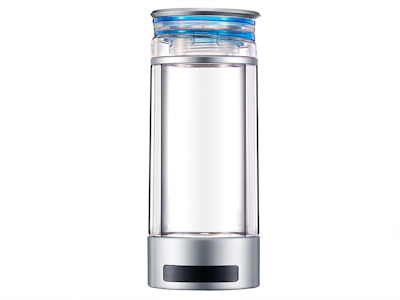
Зеленая экономика представляет собой модель экономического развития, основанную на устойчивости, возобновляемых ресурсах и минимизации воздействия на окружающую среду. Водород, как чистый энергоноситель, играет ключевую роль в этом переходе, особенно в секторах транспорта, промышленности и энергетики. Однако широкое внедрение водородных технологий сопряжено с рисками, такими как утечки водорода, которые могут привести к взрывам или пожарам из-за его высокой воспламеняемости. Водородные сенсоры, или датчики водорода, являются незаменимыми инструментами для обнаружения этих утечек, обеспечения безопасности и повышения эффективности систем. В этой статье мы подробно рассмотрим, почему водородные сенсоры необходимы для зеленой экономики, охватывая их функции, преимущества, challenges, и будущие перспективы. Мы начнем с обзора зеленой экономики и роли водорода, затем углубимся в принципы работы сенсоров, их применение в различных отраслях, и завершим обсуждением инноваций и глобальных инициатив.
Роль водорода в зеленой экономике
Зеленая экономика направлена на снижение выбросов углекислого газа и других загрязнителей через использование возобновляемых источников энергии. Водород, produced through electrolysis using renewable energy (green hydrogen), offers a carbon-free alternative to fossil fuels. It can be used in fuel cells for electricity generation, as a fuel for vehicles, and in industrial processes like steel production. The global hydrogen market is expected to grow significantly, driven by policies such as the European Green Deal and initiatives in countries like Japan and South Korea. However, hydrogen's low density and high flammability (ignition energy as low as 0.017 mJ) make it challenging to handle safely. This is where hydrogen sensors come into play—they provide real-time monitoring to prevent accidents, ensure compliance with safety standards, and optimize operational efficiency. Without reliable detection, the risks could hinder the adoption of hydrogen technologies, slowing down the transition to a green economy.
Принципы работы водородных сенсоров
Hydrogen sensors operate based on various principles, including electrochemical, catalytic, optical, and semiconductor technologies. Electrochemical sensors measure changes in electrical current due to hydrogen oxidation, offering high sensitivity and selectivity. Catalytic sensors detect heat generated by hydrogen combustion on a catalyst surface, suitable for leak detection in confined spaces. Optical sensors use light absorption or reflection properties of hydrogen, providing non-invasive and fast response times. Semiconductor sensors rely on changes in electrical conductivity when hydrogen interacts with a metal oxide layer, making them cost-effective for widespread use. Each type has its advantages: for instance, electrochemical sensors are ideal for low-concentration detection, while catalytic sensors excel in explosive environments. Advanced sensors now incorporate IoT connectivity, allowing for remote monitoring and data analytics, which enhances their utility in smart green infrastructure. The choice of sensor depends on the application, such as in hydrogen refueling stations, where rapid detection is critical to prevent buildup of explosive mixtures.
Применение в транспортном секторе
In the transportation sector, hydrogen fuel cell vehicles (FCVs) are a promising solution for decarbonizing mobility. However, hydrogen leaks in vehicles or refueling stations pose significant safety risks. Sensors are installed in fuel tanks, engine compartments, and around refueling nozzles to detect leaks early. For example, in Toyota Mirai or Hyundai Nexo, multiple hydrogen sensors are integrated to ensure passenger safety. In refueling stations, sensors monitor storage tanks and dispensing equipment, triggering alarms or shutdowns if concentrations exceed safe limits (typically below 4% by volume, the lower explosive limit for hydrogen). This not only prevents accidents but also builds public trust in hydrogen technology, which is essential for market adoption. Additionally, sensors help in maintenance by identifying slow leaks that could lead to efficiency losses or increased emissions indirectly. As the number of FCVs grows, the demand for reliable sensors will increase, supporting job creation and technological advancement in the green economy.
Промышленное использование и безопасность
Industries such as chemicals, metallurgy, and energy production are major consumers of hydrogen, often using it as a feedstock or reducing agent. In these settings, hydrogen sensors are vital for protecting workers and infrastructure. For instance, in ammonia production or petroleum refining, leaks can lead to catastrophic events. Sensors are deployed in pipelines, reactors, and storage facilities to provide continuous monitoring. They are designed to withstand harsh conditions, such as high temperatures or corrosive environments, ensuring longevity and reliability. Regulatory frameworks, like OSHA standards in the U.S. or ATEX directives in Europe, mandate the use of hydrogen detectors in hazardous areas. By complying with these regulations, companies not only avoid fines and liabilities but also contribute to a safer, more sustainable industrial ecosystem. Moreover, sensors enable process optimization by ensuring that hydrogen is used efficiently, reducing waste and lowering operational costs. This aligns with the principles of the circular economy, a key aspect of green economic models.
Энергетический сектор и интеграция ВИЭ
In the energy sector, hydrogen is seen as a storage medium for intermittent renewable sources like solar and wind. Excess electricity can be used to produce hydrogen via electrolysis, which is then stored and reconverted to electricity when needed. Hydrogen sensors are crucial in these storage systems, such as underground caverns or above-ground tanks, to detect leaks that could lead to energy loss or safety hazards. For example, in power-to-gas projects, sensors ensure the integrity of storage facilities, preventing hydrogen from escaping into the atmosphere where it can act as an indirect greenhouse gas (though its global warming potential is low compared to CO2). Integration with smart grids allows for real-time data exchange, enhancing grid stability and reliability. As countries invest in hydrogen infrastructure, such as Germany's H2Global initiative, the role of sensors becomes even more prominent. They support the scaling up of renewable energy deployment by providing the necessary safety net, thereby accelerating the transition to a fully green energy system.
Экологические преимущества и устойчивость
Hydrogen sensors contribute directly to environmental sustainability by preventing incidents that could release pollutants or greenhouse gases. For instance, a hydrogen leak in a fuel cell system might not only cause a fire but also lead to the release of by-products if combustion occurs incompletely. By enabling early detection, sensors minimize such risks, ensuring that hydrogen remains a clean energy source. Additionally, they support life cycle assessments (LCA) of hydrogen technologies by providing data on efficiency and emissions. In a broader context, the manufacturing and deployment of advanced sensors themselves can be made sustainable through the use of recyclable materials and energy-efficient production processes. This holistic approach reinforces the green economy's goals of reducing ecological footprints. Case studies, such as projects in Scandinavia where hydrogen sensors are used in maritime applications, demonstrate how these devices help achieve carbon neutrality targets by safeguarding green hydrogen initiatives.
Технологические инновации и будущие тенденции
The field of hydrogen sensing is evolving rapidly with innovations such as nanomaterials, graphene-based sensors, and artificial intelligence (AI) integration. Nanosensors offer higher sensitivity and faster response times, capable of detecting hydrogen at parts-per-billion levels. AI algorithms can analyze sensor data to predict failures or optimize system performance, reducing downtime and maintenance costs. Future trends include the development of multifunctional sensors that can detect multiple gases simultaneously, and self-powered sensors that harvest energy from the environment, enhancing their applicability in remote areas. Research institutions and companies worldwide are investing in these advancements; for example, the U.S. Department of Energy funds projects aimed at improving hydrogen detection technologies. As these innovations mature, they will lower the cost of sensors, making them more accessible and further driving the adoption of hydrogen economy. This progress is essential for meeting global climate goals, such as those outlined in the Paris Agreement.
Глобальные инициативы и политическая поддержка
Governments and international organizations are promoting the hydrogen economy through policies and funding programs. The European Union's Hydrogen Strategy aims to install 40 GW of electrolyzers by 2030, with strict safety regulations that mandate the use of sensors. Similarly, countries like China and the U.S. have launched hydrogen initiatives that include standards for detection systems. These policies create a favorable market for sensor manufacturers, encouraging innovation and competition. International collaborations, such as the International Partnership for Hydrogen and Fuel Cells in the Economy (IPHE), work on harmonizing safety protocols, which includes guidelines for sensor deployment. By aligning with these initiatives, stakeholders can ensure that hydrogen technologies are deployed safely and efficiently. Public-private partnerships play a key role in scaling up sensor production and deployment, as seen in projects like H2USA in the United States. This collective effort underscores the indispensability of hydrogen sensors in building a resilient green economy.
Вызовы и ограничения
Despite their importance, hydrogen sensors face challenges such as high costs, especially for advanced types, and issues with false alarms or sensor drift over time. Environmental factors like humidity or temperature variations can affect accuracy, requiring calibration and maintenance. Additionally, there is a need for standardization across different regions to ensure interoperability and reliability. Addressing these challenges involves ongoing research into more durable and affordable materials, as well as the development of robust calibration protocols. Education and training for technicians are also crucial to proper installation and use. Overcoming these hurdles will be key to maximizing the benefits of hydrogen sensors in the green economy. Potential solutions include government subsidies for sensor adoption and international cooperation on R&D, as highlighted in forums like the Clean Energy Ministerial.
Заключение
Водородные сенсоры являются критически важным компонентом зеленой экономики, обеспечивая безопасность, эффективность и надежность водородных систем. От транспорта до промышленности и энергетики, они enable the safe harnessing of hydrogen's potential as a clean energy source. As technology advances and global initiatives gain momentum, the role of sensors will only grow, supporting the transition to a sustainable future. Investing in and deploying these sensors is not just a matter of compliance but a strategic imperative for achieving climate goals and building a resilient economy. By prioritizing innovation and collaboration, we can overcome current challenges and unlock the full benefits of hydrogen in the green economy.
Для дальнейшего чтения, рекомендуется ознакомиться с отчетами Международного энергетического агентства (МЭА) и инициативами, такими как Waterstofnet в Европе.
Предыдущая страница: Безопасность и надежность водородных резервуаров высокого давления
Следующая страница: Секреты эффективного хранения водорода для промышленности