

- Адрес:Room 715, Kaiyun Business Center, No. 3 Ji'an Street, Jixian Road, Guangzhou, Guangdong, China
- Телефон:1388xx888xx
- Мобильные телефоны:1388xx888xx
- Почтовый ящик:1388xx888xx@gmail.com
Текущее местоположение: Главная страница> Информационный центр> Революционный скачок в энергетике открывает эру водородных мегахранилищ
Революционный скачок в энергетике открывает эру водородных мегахранилищ
Добавить время:2025-12-19
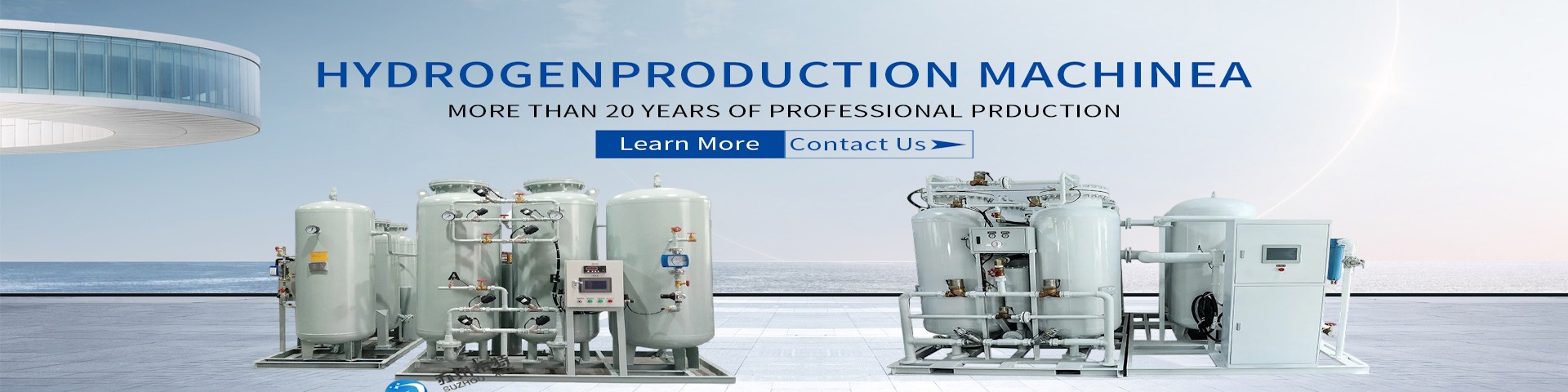
В современном мире, где изменение климата и энергетическая безопасность становятся все более актуальными, человечество стоит на пороге новой эры. Водород, самый распространенный элемент во Вселенной, долгое время считался перспективным источником энергии, но лишь недавно технологические достижения позволили реализовать его потенциал в полной мере. Появление водородных мегахранилищ знаменует собой революционный скачок в энергетике, открывая путь к устойчивому и экологически чистому будущему. В этой статье мы подробно рассмотрим, как эти гигантские хранилища преобразуют энергетический ландшафт, их преимущества, вызовы и роль в глобальной экономике.
Введение в водородную революцию
Энергетический сектор всегда был двигателем прогресса, но его зависимость от ископаемых видов топлива привела к серьезным экологическим проблемам, включая выбросы парниковых газов и загрязнение воздуха. В ответ на это мир ищет альтернативы, и водород emerges как ключевое решение. Водород можно производить из различных источников, включая воду с помощью электролиза, используя возобновляемую энергию, что делает его "зеленым" топливом. Однако хранение и транспортировка водорода historically были сложными из-за его низкой плотности энергии и взрывоопасности. Прорыв в технологиях хранения, particularly в форме мегахранилищ, изменил эту динамику, enabling mass-scale adoption.
Что такое водородные мегахранилища?
Водородные мегахранилища — это крупномасштабные инфраструктурные объекты, designed to store vast quantities of hydrogen gas under high pressure or in liquid form. Они используют передовые материалы, such as composite tanks and cryogenic systems, to ensure safety and efficiency. These facilities can range from underground salt caverns to above-ground tanks, with capacities exceeding millions of cubic meters. Megastorage позволяет накапливать водород, produced during periods of excess renewable energy generation, for use when demand is high, thus balancing the grid and reducing reliance on fossil fuels.
Технологические инновации behind мегахранилищ
Ключевым драйвером этой революции являются инновации в materials science and engineering. Например, разработка углеродных композитов и advanced alloys has enabled the construction of lightweight yet strong storage vessels that can withstand extreme pressures. Cryogenic technology allows hydrogen to be stored as a liquid at temperatures below -253°C, significantly increasing energy density. Additionally, smart monitoring systems using IoT and AI ensure real-time safety and optimization, predicting maintenance needs and preventing leaks. These advancements have reduced costs and improved scalability, making megastorage feasible for widespread deployment.
Экологические benefits водородных мегахранилищ
Одним из наиболее значительных преимуществ водородных мегахранилищ является их положительное воздействие на окружающую среду. By enabling the storage of green hydrogen—produced from renewable sources—they facilitate a decarbonized energy system. When hydrogen is used in fuel cells or combustion, it emits only water vapor, eliminating carbon emissions. This helps mitigate climate change and reduce air pollution. Moreover, megastorage supports the integration of intermittent renewables like solar and wind, ensuring a stable energy supply without the need for backup fossil fuel plants. Studies show that widespread adoption could cut global CO2 emissions by up to 20% by 2050.
Экономические implications и market potential
Водородная экономика promises substantial economic benefits. The global hydrogen market is projected to grow from $150 billion in 2022 to over $300 billion by 2030, driven by investments in storage infrastructure. Megastorage creates jobs in construction, manufacturing, and maintenance, while reducing energy costs over time due to decreased volatility. Countries with abundant renewable resources, such as those in the Middle East or Scandinavia, can become hydrogen exporters, enhancing energy security and trade balances. However, initial capital costs are high, requiring government subsidies and private investment to scale up. The ROI is attractive in the long term, with payback periods shortening as technology matures.
Case studies: Реальные примеры мегахранилищ
Уже several projects worldwide demonstrate the viability of hydrogen megastorage. In Germany, the HyStorage project uses salt caverns to store hydrogen, supporting the country's Energiewende initiative. In the United States, the Advanced Clean Energy Storage facility in Utah aims to store hydrogen in underground formations, providing power for thousands of homes. Japan, a leader in hydrogen technology, is developing floating storage units for maritime applications. These examples show diverse applications, from grid storage to transportation fuel, highlighting the versatility of megastorage. Success stories underscore the importance of collaboration between governments, industries, and research institutions.
Вызовы и barriers to adoption
Несмотря на promising outlook, there are challenges to overcome. Safety concerns remain paramount, as hydrogen is highly flammable and requires rigorous standards for storage and handling. Public acceptance is another hurdle, necessitating education and transparency. Technological barriers include energy losses during liquefaction and the need for improved efficiency in conversion processes. Economically, the high upfront costs and lack of standardized regulations can slow deployment. Addressing these issues through R&D, policy support, and international cooperation is crucial for accelerating the transition to a hydrogen-based economy.
Роль policy и regulation
Government policies play a critical role in fostering the growth of hydrogen megastorage. Incentives such as tax credits, grants, and carbon pricing can make projects more financially viable. Regulations must establish safety standards and encourage interoperability between systems. The European Union's Hydrogen Strategy and the U.S. Infrastructure Investment and Jobs Act are examples of initiatives promoting hydrogen infrastructure. International agreements, like the Paris Agreement, also drive momentum by setting emission reduction targets. Effective policy frameworks can create a favorable environment for investment and innovation.
Будущее водородных мегахранилищ
Looking ahead, the era of hydrogen megastorage is poised for exponential growth. Advances in nanotechnology and AI could lead to even more efficient storage solutions, such as metal-organic frameworks (MOFs) for higher density storage. The integration with other clean technologies, like carbon capture and utilization, could create synergistic benefits. By 2050, hydrogen megastorage might become a cornerstone of global energy systems, enabling a fully renewable grid. The potential for hydrogen to power everything from cars to industries makes it a game-changer in the quest for sustainability.
Заключение: Embracing the водородная эра
В заключение, революционный скачок в энергетике через водородные мегахранилища marks a pivotal moment in human history. These facilities not only address the urgent need for clean energy but also open up new economic opportunities and enhance global security. While challenges exist, the collective efforts of scientists, engineers, policymakers, and businesses are paving the way for a brighter future. As we stand on the brink of this new era, it is imperative to embrace innovation and collaboration to fully realize the potential of hydrogen. The journey towards a sustainable planet is long, but with megastorage, we have a powerful tool to drive progress and leave a legacy of environmental stewardship for generations to come.
Эта статья лишь scratches the surface of the transformative power of hydrogen megastorage. Continued research and dialogue will shape its evolution, but one thing is clear: the energy revolution is here, and hydrogen is at its heart. Let us move forward with optimism and determination, harnessing this clean energy source to build a better world.
Предыдущая страница: Почему безопасность водородной энергии требует тщательного тестирования
Следующая страница: Ремонт топливных элементов это выгодное ли инвестирование в долгосрочной перспективе