


- Адрес:Room 715, Kaiyun Business Center, No. 3 Ji'an Street, Jixian Road, Guangzhou, Guangdong, China
- Телефон:1388xx888xx
- Мобильные телефоны:1388xx888xx
- Почтовый ящик:1388xx888xx@gmail.com
Текущее местоположение: Главная страница> Информационный центр> Повышение эффективности водородных топливных элементов революция в энергетике
Повышение эффективности водородных топливных элементов революция в энергетике
Добавить время:2025-12-18
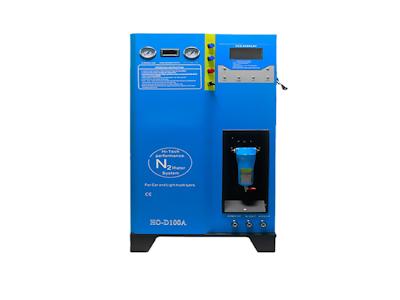
В мире, где изменение климата и истощение ископаемых ресурсов становятся все более актуальными проблемами, поиск устойчивых и чистых источников энергии становится не просто необходимостью, а императивом для будущего человечества. Среди множества инновационных решений водородные топливные элементы выделяются как одна из самых перспективных технологий, способных кардинально изменить ландшафт глобальной энергетики. Их способность производить электроэнергию без вредных выбросов, используя водород в качестве топлива, делает их идеальным кандидатом для замены традиционных ископаемых видов топлива. Однако, несмотря на огромный потенциал, широкое внедрение водородных топливных элементов сдерживается рядом вызовов, включая низкую эффективность, высокую стоимость и ограниченную инфраструктуру. В этой статье мы углубимся в то, как повышение эффективности этих элементов может стать катализатором настоящей революции в энергетике, рассмотрим последние технологические достижения, преимущества для общества и экономики, а также будущие тенденции, которые определят наше энергетическое будущее.
Для начала, давайте разберемся, что такое водородные топливные элементы и почему они так важны. По сути, топливный элемент — это электрохимическое устройство, которое преобразует химическую энергию водорода и кислорода в электрическую энергию, выделяя только воду в качестве побочного продукта. Это делает процесс экологически чистым и высокоэффективным по сравнению с традиционными методами генерации, такими как сжигание угля или нефти, которые производят значительные объемы парниковых газов и загрязняющих веществ. Принцип работы основан на реакции между водородом на аноде и кислородом на катоде, которая генерирует электрический ток через электролит. Исторически, первые топливные элементы были разработаны в 19 веке, но только в последние десятилетия, с ростом осознания экологических проблем, они привлекли серьезное внимание исследователей и инвесторов. Сегодня они используются в различных приложениях, от автомобилей и автобусов до стационарных энергосистем для зданий и удаленных объектов.
Однако, ключевым ограничением для широкого распространения водородных топливных элементов всегда была их эффективность. Традиционно, КПД (коэффициент полезного действия) топливных элементов варьируется от 40% до 60%, что, хотя и выше, чем у многих двигателей внутреннего сгорания (которые обычно имеют КПД около 20-30%), все же оставляет room для улучшения. Низкая эффективность означает, что значительная часть энергии, содержащейся в водороде, теряется в виде тепла, что увеличивает общие затраты и снижает экономическую жизнеспособность. Кроме того, производство водорода itself often relies on energy-intensive processes, such as steam methane reforming or electrolysis, which can undermine the environmental benefits if not powered by renewable sources. Therefore, enhancing the efficiency of fuel cells is not just a technical challenge but a critical step towards making hydrogen energy a mainstream solution.
In recent years, significant progress has been made in improving the efficiency of hydrogen fuel cells through innovations in materials science, engineering, and system design. For instance, advancements in catalyst materials, such as the development of platinum-group metal-free catalysts, have reduced costs and increased durability while maintaining high performance. Researchers are also exploring novel electrolyte materials that can operate at higher temperatures, which improves efficiency by reducing activation losses and enhancing reaction kinetics. Additionally, system-level optimizations, like integrating fuel cells with energy storage systems or using waste heat for cogeneration, can boost overall efficiency to levels exceeding 80%. These improvements are not only making fuel cells more competitive but also opening up new applications in areas like heavy-duty transportation, where high energy density and rapid refueling are essential.
The implications of increased efficiency in hydrogen fuel cells are profound for the energy sector. Firstly, it can lead to a substantial reduction in greenhouse gas emissions, contributing to global efforts to combat climate change. According to the International Energy Agency, hydrogen could account for up to 18% of global energy demand by 2050 if efficiency and cost targets are met. This would not only help decarbonize sectors that are hard to electrify, such as aviation and shipping, but also enhance energy security by diversifying energy sources. Moreover, higher efficiency means lower operating costs, making hydrogen energy more accessible and affordable for consumers and businesses alike. This could stimulate economic growth through the creation of new industries and jobs in manufacturing, installation, and maintenance of fuel cell systems.
Furthermore, the revolution in energy efficiency through hydrogen fuel cells aligns with broader trends in digitalization and smart grids. With the integration of IoT devices and AI, fuel cell systems can be optimized in real-time for maximum performance, predicting maintenance needs and adapting to fluctuating energy demands. This smart energy management not only improves efficiency but also enhances reliability and resilience of the power grid, reducing the risk of blackouts and enabling a more flexible energy ecosystem. As countries around the world set ambitious targets for net-zero emissions, such as the European Green Deal or China's carbon neutrality goals, investments in hydrogen technology are skyrocketing, with governments and private companies collaborating on large-scale demonstration projects and infrastructure development.
Despite the optimism, challenges remain in scaling up hydrogen fuel cells to achieve widespread adoption. The high cost of production, particularly for green hydrogen produced via renewable energy, is a major barrier. Infrastructure for hydrogen storage and transportation is still underdeveloped, requiring significant investment in pipelines, refueling stations, and storage facilities. Additionally, public awareness and acceptance need to be fostered through education and policy incentives. However, with continued research and innovation, these hurdles can be overcome. For example, economies of scale in manufacturing are expected to drive down costs, while international cooperation can standardize regulations and promote best practices.
In conclusion, the enhancement of efficiency in hydrogen fuel cells represents a pivotal moment in the energy revolution. By addressing technical limitations and leveraging cutting-edge technologies, we can unlock the full potential of hydrogen as a clean, reliable, and sustainable energy source. This not only promises to transform how we power our world but also paves the way for a greener, more prosperous future. As we move forward, it is crucial for stakeholders—governments, industries, and communities—to work together to accelerate this transition and reap the benefits of a hydrogen-based economy. The journey may be challenging, but the rewards are immense: a planet with cleaner air, reduced dependency on fossil fuels, and a resilient energy system that can withstand the tests of time and change.
To delve deeper, let's explore the specific technologies driving efficiency improvements. One key area is the development of advanced membrane electrode assemblies (MEAs), which are the heart of fuel cells. Traditional MEAs use perfluorosulfonic acid membranes, but new materials like hydrocarbon-based polymers offer better proton conductivity and lower costs. For instance, polybenzimidazole (PBI) membranes enable operation at temperatures up to 200°C, significantly improving efficiency by reducing the need for humidification and enhancing tolerance to impurities in hydrogen fuel. This not only boosts performance but also extends the lifespan of fuel cells, making them more practical for long-term use.
Another breakthrough is in the field of nanocatalysts. By engineering catalysts at the nanoscale, researchers can increase the surface area available for reactions, leading to higher activity and lower platinum loading. This reduces material costs and minimizes environmental impact associated with mining precious metals. For example, core-shell catalysts with a non-precious metal core and a thin platinum shell have shown promise in achieving high efficiency while using less platinum. Additionally, exploring alternative catalysts like iron-nitrogen-carbon composites could eventually eliminate the need for platinum altogether, making fuel cells even more affordable and sustainable.
System integration is also crucial for maximizing efficiency. Combined heat and power (CHP) systems, which utilize the waste heat from fuel cells for heating or cooling purposes, can achieve overall efficiencies of over 90%. This is particularly beneficial in residential and commercial buildings, where energy demands are multifaceted. Moreover, hybrid systems that combine fuel cells with batteries or supercapacitors can provide rapid response to load changes, improving stability and efficiency in dynamic applications like electric vehicles. For instance, in fuel cell electric vehicles (FCEVs), such integrations allow for smoother acceleration and longer range, addressing common concerns about performance and convenience.
The role of digital technologies cannot be overstated. Artificial intelligence and machine learning algorithms are being used to optimize fuel cell operation by predicting degradation, scheduling maintenance, and adjusting parameters in real-time based on data from sensors. This proactive approach not only enhances efficiency but also reduces downtime and operational costs. Furthermore, blockchain technology is being explored for transparent tracking of hydrogen production and consumption, ensuring that green hydrogen credits are properly accounted for in carbon trading schemes, thereby incentivizing investments in renewable hydrogen.
From an economic perspective, the efficiency gains in hydrogen fuel cells are driving down the levelized cost of energy (LCOE), making them competitive with conventional sources. According to analyses, with efficiencies above 60%, the LCOE for hydrogen power could fall below that of natural gas plants in the coming decades, especially as carbon pricing mechanisms become more widespread. This economic viability is attracting investments from major corporations and venture capitalists, leading to a virtuous cycle of innovation and deployment. For example, companies like Toyota, Hyundai, and Ballard Power Systems are heavily investing in R&D to commercialize high-efficiency fuel cells for various markets.
Socially, the adoption of efficient hydrogen fuel cells can lead to numerous benefits, including improved public health due to reduced air pollution, job creation in new green industries, and enhanced energy access in remote areas. In developing regions, off-grid fuel cell systems powered by locally produced hydrogen can provide reliable electricity without the need for extensive grid infrastructure, empowering communities and supporting sustainable development. Education and training programs will be essential to build a skilled workforce capable of designing, installing, and maintaining these advanced systems.
Looking ahead, the future of hydrogen fuel cells is bright, with ongoing research focused on achieving efficiencies beyond 70% through innovations like solid oxide fuel cells (SOFCs) that operate at very high temperatures and offer exceptional performance. International collaborations, such as the Hydrogen Council and missions under the UN Framework Convention on Climate Change, are fostering knowledge sharing and policy alignment to accelerate global adoption. As we continue to push the boundaries of what's possible, the vision of a hydrogen-powered world becomes increasingly tangible—a world where energy is clean, abundant, and accessible to all.
In summary, the revolution in energy efficiency through hydrogen fuel cells is not just a technological feat but a transformative movement towards a sustainable future. By embracing these advancements, we can overcome the challenges of today and build a resilient energy system for generations to come. The time to act is now; let's harness the power of hydrogen to fuel our progress and protect our planet.
Предыдущая страница: Путь к экологичному будущему с нашими водородными станциями
Следующая страница: Взрывной прорыв водородная энергия меняет мир