
- Адрес:Room 715, Kaiyun Business Center, No. 3 Ji'an Street, Jixian Road, Guangzhou, Guangdong, China
- Телефон:1388xx888xx
- Мобильные телефоны:1388xx888xx
- Почтовый ящик:1388xx888xx@gmail.com
Текущее местоположение: Главная страница> Информационный центр> Как формируется стоимость установки для получения водорода почему так дорого
Как формируется стоимость установки для получения водорода почему так дорого
Добавить время:2025-12-17
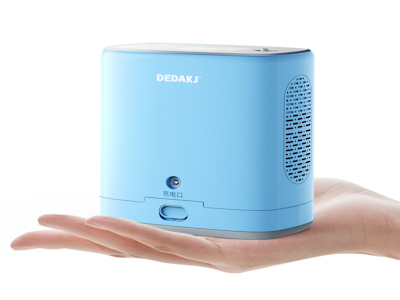
В современном мире, где экологическая устойчивость становится приоритетом, водородная энергетика привлекает все больше внимания. Однако многих потенциальных инвесторов и энтузиастов отпугивает высокая стоимость установок для получения водорода. Почему эти системы так дороги? Давайте разберемся в деталях, чтобы понять, что стоит за этими цифрами и как эти инвестиции могут окупиться в будущем.
Введение в водородную энергетику
Водород — это самый распространенный элемент во Вселенной, и его потенциал как чистого источника энергии огромен. При сгорании или использовании в топливных элементах он производит только воду, что делает его идеальным решением для сокращения выбросов углекислого газа. Однако производство водорода — сложный процесс, требующий специализированного оборудования. Установки для получения водорода, такие как электролизеры или установки паровой конверсии метана, involve высокие первоначальные затраты. Но почему именно они так дороги? Ответ кроется в технологии, материалах, исследованиях и масштабировании.
В этой статье мы explore каждый аспект формирования стоимости, от сырья до эксплуатационных расходов. Мы также обсудим, как снизить эти затраты через инновации и государственную поддержку. Если вы рассматриваете инвестиции в водородную энергетику, это руководство поможет вам принять informed решение.
Основные технологии производства водорода
Прежде чем углубляться в стоимость, важно понять, как производят водород. Существует несколько методов, каждый со своими преимуществами и недостатками.
Электролиз воды
Электролиз — это процесс расщепления воды на водород и кислород с помощью электричества. Это один из самых чистых методов, особенно если electricity поступает из возобновляемых источников, таких как солнечная или ветровая энергия. Однако электролизеры требуют дорогостоящих материалов, таких как platinum или iridium для катализаторов, что significantly увеличивает стоимость. Кроме того, efficiency процесса зависит от technology, и современные установки могут иметь КПД до 80%, но это все еще требует больших энергозатрат.
Стоимость электролизера варьируется от 500 до 2000 долларов за киловатт мощности, в зависимости от типа (например, alkaline или PEM electrolyzers). Для крупномасштабной установки это может означать миллионы долларов инвестиций. Но remember, это только часть общей стоимости; необходимо also учесть инфраструктуру для хранения и транспортировки водорода.
Паровая конверсия метана
Это наиболее распространенный метод производства водорода, accounting for about 95% мирового производства. Он involves реакцию метана с водяным паром при high temperature to produce hydrogen and carbon dioxide. Хотя этот метод дешевле в эксплуатации благодаря использованию природного газа, он produces CO2, что делает его менее экологичным. Установки для паровой конверсии требуют complex equipment, including reformers, heat exchangers, and purification systems, которые могут стоить от 1 до 3 миллионов долларов для средней установки.
Стоимость здесь largely зависит от цен на природный газ и углеродные налоги, которые могут увеличивать expenses. В долгосрочной перспективе, с ростом emphasis на decarbonization, этот метод may become less attractive, но пока он остается key player в industry.
Другие методы: газификация и биологические процессы
Газификация угля или biomass — another method, но он также produces emissions и requires significant infrastructure. Биологические процессы, such as using algae, are still in development и пока не scalable для commercial use. Эти методы add to the diversity但 увеличивают complexity и cost R&D.
Overall, выбор technology сильно влияет на initial cost. Electrolysis is more expensive but cleaner, while steam methane reforming is cheaper but has environmental drawbacks. Investors must weigh these factors based on their goals and regulatory environment.
Компоненты установки и их стоимость
Теперь давайте breaking down the cost по компонентам. Установка для получения водорода состоит из нескольких key parts, каждый из которых contributes to the total price tag.
Реакторы и катализаторы
Сердце любой водородной установки — это reactor, где происходит chemical reaction. Для электролиза это electrolysis cell, а для паровой конверсии — reformer. Эти components made from high-quality materials, such as stainless steel or nickel alloys, чтобы withstand high pressure and temperature. Катализаторы, используемые для ускорения reactions, often contain precious metals like platinum, palladium, or rhodium. Цены на эти metals fluctuate на рынке, но они могут добавлять thousands of dollars к cost.
Например, катализатор для PEM electrolyzer может стоить до 50% от общей стоимости установки. Research в области alternative materials, such as non-precious metal catalysts, is ongoing, но пока они не widely available, что keeps costs high.
Системы очистки и хранения
После production, водород must be purified to remove impurities. Это involves equipment like pressure swing adsorption (PSA) units или membrane separators, которые могут cost от 100,000 до 500,000 dollars в зависимости от capacity. Хранение водорода — another challenge; он requires specialized tanks due to its low density and high flammability. Compressed hydrogen storage tanks или liquid hydrogen systems add significantly to the cost, often ranging from 200,000 to over 1 million dollars.
Кроме того, infrastructure for transportation, such as pipelines or trucks, must be considered, especially for large-scale projects. Это увеличивает initial investment но essential для distribution.
Энергетическая инфраструктура
Для электролиза, source of electricity is critical. Если используется renewable energy, необходимо инвестировать в solar panels или wind turbines, которые can double the cost of the project. For example, a 1 MW electrolyzer paired with a solar farm might cost upwards of 2 million dollars. Even with grid electricity, operational costs for power can be substantial.
Control systems and automation также add to the cost, обеспечивая safe and efficient operation. Modern installations include advanced sensors and software, которые могут cost tens of thousands of dollars.
Монтаж и ввод в эксплуатацию
Установка equipment requires skilled labor and engineering expertise. Стоимость монтажа может vary от 10% to 30% от общей стоимости equipment, depending on complexity and location. Ввод в эксплуатацию involves testing and calibration, which can take months и add to the timeline and cost.
В целом, components и их integration make up the bulk of the capital expenditure (CAPEX). For a medium-sized hydrogen production plant, total CAPEX can range from 2 to 10 million dollars, с electrolysis being at the higher end.
Факторы, влияющие на стоимость
Помимо components, несколько external factors influence the cost of hydrogen installations.
Масштаб производства
Economies of scale play a huge role. Крупные установки have lower cost per unit of hydrogen produced due to spreading fixed costs over larger output. Например, cost per kg of hydrogen from a large electrolyzer might be 3-5 dollars, compared to 10-15 dollars for a small unit. Однако initial investment for large-scale is higher, requiring more capital upfront.
Технологические инновации
Research and development в водородной technologies are rapidly advancing. Новые материалы и processes are being developed to reduce costs. Например, improvements in electrolyzer efficiency или cheaper catalysts can lower expenses. Government funding and private investments in R&D are crucial here; countries like Germany and Japan are leading the way with subsidies and grants.
Сырьевые цены
Для methods like steam methane reforming, cost of natural gas is a major factor. Fluctuations in gas prices can directly affect operational costs. Similarly, for electrolysis, price of electricity is key. In regions with cheap renewable energy, such as Middle East or parts of the US, costs can be lower.
Регуляторная среда
Government policies, such as carbon taxes or incentives for green hydrogen, can impact cost. Subsidies can reduce initial investment, while regulations on emissions might increase costs for fossil-based methods. В Европе, например, green hydrogen is promoted through the European Green Deal, making it more attractive financially.
Географическое расположение
Cost varies by region due to labor costs, availability of materials, and infrastructure. Например, установка в развивающейся стране might be cheaper due to lower labor costs, но доступ к advanced technology может быть limited.
Understanding these factors helps in planning and budgeting for a hydrogen project. It's not just about the equipment; it's about the entire ecosystem.
Сравнение с другими источниками энергии
Чтобы put the cost in perspective, let's compare hydrogen to other energy sources.
Водород vs. Ископаемое топливо
Ископаемое топливо, такое как нефть и газ, has lower upfront costs for extraction and refining, но operational costs and environmental externalities are high. Carbon pricing and climate policies are making fossil fuels less competitive over time. Hydrogen, while expensive initially, offers zero emissions and potential for long-term savings.
Водород vs. Возобновляемые источники
Solar and wind energy have seen dramatic cost reductions in recent years, but they are intermittent. Hydrogen can serve as energy storage, converting excess renewable energy into fuel. This adds value but also cost. Integrated systems, where hydrogen production is coupled with renewables, can be cost-effective in the right context.
Экономическая эффективность
Уровized cost of hydrogen (LCOH) is a metric used to compare different production methods. For green hydrogen from electrolysis, LCOH is currently around 3-7 dollars per kg, but it is expected to fall to 1-2 dollars by 2030 thanks to technological advancements and scale. This makes it competitive with fossil fuels in the near future.
Investing in hydrogen now might seem expensive, but it's a bet on the future of energy. As demand for clean energy grows, costs will decrease, and early adopters could reap benefits.
Пути снижения стоимости
Despite the high costs, there are ways to make hydrogen production more affordable.
Инновации в материалах
Developing cheaper catalysts, such as iron-based or carbon-based materials, can reduce costs significantly. Research institutions and companies are working on this, and breakthroughs are expected in the coming years.
Увеличение масштаба
Building larger plants and standardizing designs can bring down costs through economies of scale. Governments and industries are collaborating on mega-projects, like those in Saudi Arabia or Australia, to achieve this.
Интеграция с возобновляемыми источниками
By co-locating hydrogen production with renewable energy sources, operational costs can be minimized. For instance, using curtailed wind or solar power that would otherwise be wasted.
Государственная поддержка
Subsidies, tax incentives, and grants can offset initial costs. Many countries offer programs to support green hydrogen projects, making them more financially viable.
Обучение и развитие навыков
Investing in workforce training can reduce labor costs and improve efficiency over time.
These strategies are already being implemented, and the cost of hydrogen is on a downward trend. For investors, timing is key; getting in early might involve higher risks but also higher rewards.
Заключение: инвестируйте в будущее
В заключение, высокая стоимость установок для получения водорода обусловлена сложными технологиями, дорогими материалами и необходимостью масштабирования. Однако это не должно отпугивать. Водородная энергетика — это rapidly evolving field с огромным потенциалом для роста и profitability. By understanding the cost drivers and leveraging innovations, investors can make smart decisions that pay off in the long run.
Если вы заинтересованы в sustainable energy solutions, consider hydrogen as a key part of your portfolio. С правильным подходом, эти инвестиции могут not only benefit the planet но и принести substantial returns. Свяжитесь с нами today to learn more about how you can get involved in the hydrogen revolution.
Спасибо за внимание! Будущее энергии — за водородом, и сейчас самое время действовать.
Предыдущая страница: Водородная энергия революция которая изменит будущее энергетики
Следующая страница: Гидрогенная система интеграция революция энергетики будущего