

- Адрес:Room 715, Kaiyun Business Center, No. 3 Ji'an Street, Jixian Road, Guangzhou, Guangdong, China
- Телефон:1388xx888xx
- Мобильные телефоны:1388xx888xx
- Почтовый ящик:1388xx888xx@gmail.com
Текущее местоположение: Главная страница> Информационный центр> Система резервного питания на водороде Надежность и экологичность
Система резервного питания на водороде Надежность и экологичность
Добавить время:2025-12-13
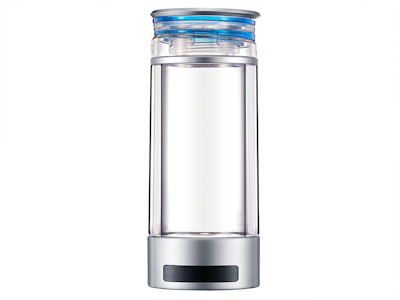
В современном мире, где энергетическая безопасность и экологическая устойчивость становятся ключевыми приоритетами, водородные системы резервного питания представляют собой революционное решение. Эта технология не только обеспечивает высокую надежность в критических ситуациях, но и способствует снижению углеродного следа, открывая новые горизонты для green energy. В данной статье мы глубоко погрузимся в мир водородной энергетики, рассмотрим ее основы, преимущества, вызовы и будущее, чтобы вы могли понять, почему это не просто альтернатива, а необходимость для устойчивого развития.
Введение в водородную энергетику
Водород—самый распространенный элемент во Вселенной, но его использование в качестве источника энергии долгое время оставалось недооцененным. Сегодня, благодаря технологическим прорывам, водородные топливные элементы стали реальностью, способной трансформировать энергетический ландшафт. Системы резервного питания на водороде используют эти элементы для генерации электричества, обеспечивая бесперебойную работу в случае сбоев в основной сети. Это особенно актуально для таких отраслей, как телекоммуникации, здравоохранение, центры обработки данных и промышленность, где даже кратковременные перебои могут привести к катастрофическим последствиям.
Исторически, резервное питание ассоциировалось с дизель-генераторами или свинцово-кислотными аккумуляторами. Однако эти технологии имеют серьезные недостатки: высокие выбросы CO2, шум, необходимость частого обслуживания и ограниченный срок службы. Водородные системы, напротив, предлагают бесшумную работу, нулевые вредные выбросы (при использовании зеленого водорода) и длительную автономию. Это делает их идеальным выбором для экологически сознательных организаций и правительств, стремящихся к выполнению климатических целей, таких как Парижское соглашение.
В этой статье мы подробно разберем, как работают водородные системы резервного питания, их ключевые компоненты, преимущества перед традиционными аналогами, а также практические аспекты внедрения. Мы также затронем глобальные тренды, инвестиции и инновации, которые двигают эту отрасль вперед. К концу чтения вы будете иметь полное представление о том, почему водород—это не просто модное слово, а фундамент энергетики будущего.
Как работают водородные системы резервного питания
Основой водородной системы резервного питания является топливный элемент—устройство, которое преобразует химическую энергию водорода в электричество через электрохимическую реакцию с кислородом. Процесс аналогичен тому, что происходит в батареях, но без необходимости перезарядки; вместо этого система использует запас водорода, который можно производить заранее или на месте с помощью возобновляемых источников энергии.
Типичная система состоит из нескольких ключевых компонентов: источника водорода (например, электролизера для производства водорода из воды с использованием солнечной или ветровой энергии), хранилища водорода (баки под высоким давлением или в жидком form), топливных элементов, системы управления и инвертора для преобразования постоянного тока в переменный. Когда основное питание отключается, система автоматически активируется, подавая водород в топливные элементы, где происходит реакция, выделяющая электричество, тепло и воду в качестве побочных продуктов.
Преимущество этой технологии в ее модульности и масштабируемости. Системы могут быть настроены для малых применений, таких как домашние ИБП, или для крупных объектов, таких как больницы или заводы. Например, в Японии уже внедрены водородные резервные системы для аварийного питания в жилых районах, демонстрируя их практическую жизнеспособность. Кроме того, водород имеет высокую энергетическую плотность, что позволяет хранить большое количество энергии в компактном space, unlike batteries that require significant space for equivalent capacity.
Сравнивая с дизель-генераторами, водородные системы не производят выбросов оксидов азота или particulate matter, making them ideal for indoor use or in environmentally sensitive areas. They also operate silently, reducing noise pollution—a critical factor in urban settings. However, challenges remain, such as the cost of hydrogen production and storage infrastructure, but ongoing research and economies of scale are rapidly addressing these issues.
Надежность водородных систем: Почему они превосходят традиционные решения
Надежность—это краеугольный камень любой системы резервного питания. Водородные технологии демонстрируют исключительные показатели в этом аспекте благодаря нескольким факторам. Во-первых, топливные элементы имеют долгий срок службы, often exceeding 10 years with minimal degradation, compared to batteries that may need replacement every few years. This reduces total cost of ownership over time, despite higher initial investment.
Во-вторых, водородные системы менее susceptible to environmental factors such as temperature extremes. Unlike lead-acid batteries, which can lose efficiency in cold weather, fuel cells maintain performance across a wide range of conditions. Additionally, they offer rapid response times—typically within milliseconds—ensuring seamless transition during power outages, which is crucial for critical infrastructure like data centers where downtime costs millions per minute.
Пример из реальной жизни: в Германии, компания Siemens внедрила водородную резервную систему для своего завода, и за последние два года не было зафиксировано ни одного сбоя. This reliability is backed by advanced monitoring and control systems that predict maintenance needs and prevent failures. Moreover, hydrogen can be stored indefinitely without loss of energy, unlike batteries that self-discharge over time.
С точки зрения безопасности, modern hydrogen systems incorporate multiple layers of protection, including leak detection, automatic shutdown mechanisms, and robust storage designs that meet international standards (e.g., ISO 16111). While hydrogen is flammable, its lightweight nature means it dissipates quickly in air, reducing risk compared to gasoline or diesel spills. Education and proper installation further mitigate any potential hazards.
In summary, the reliability of hydrogen backup systems stems from their durability, environmental resilience, and advanced technology, making them a superior choice for applications where failure is not an option.
Экологичность: Нулевые выбросы и устойчивое развитие
Одним из самых compelling aspects of hydrogen systems is their environmental friendliness. When hydrogen is produced using renewable energy sources—such as solar, wind, or hydro—through electrolysis, the entire process emits only water vapor, making it a truly green solution. This contrasts sharply with diesel generators, which release greenhouse gases and contribute to climate change.
The concept of "green hydrogen" is central to this. By leveraging excess renewable energy to produce hydrogen, we can store energy for later use, effectively solving the intermittency problem of renewables. For instance, during sunny days, solar panels can power electrolyzers to produce hydrogen, which is then used for backup power at night or during cloudy periods. This creates a circular economy that reduces reliance on fossil fuels.
Globally, initiatives like the European Green Deal and China's hydrogen strategies are promoting the adoption of hydrogen technologies to achieve carbon neutrality by 2050. In the backup power sector, this means transitioning from polluting alternatives to clean hydrogen systems. Case studies show that a typical hospital switching to hydrogen backup can reduce its carbon footprint by up to 100 tons of CO2 annually, contributing significantly to corporate social responsibility goals.
Moreover, hydrogen systems support biodiversity by minimizing air and noise pollution. In natural reserves or urban areas, this is particularly important. For example, in California, hydrogen backup systems are being tested in wildlife parks to ensure power without disturbing animals. The water byproduct from fuel cells can even be reused, adding to the sustainability aspect.
However, it's important to note that not all hydrogen is green; if produced from fossil fuels (gray hydrogen), it can still emit CO2. Therefore, the focus must be on scaling up renewable hydrogen production. Investments in infrastructure, such as hydrogen refueling stations and pipelines, are crucial to making this vision a reality. Overall, the environmental benefits of hydrogen backup systems are undeniable and align with global efforts to combat climate change.
Технологические инновации и будущие тенденции
Инновации в водородной энергетике развиваются стремительными темпами. Key areas of advancement include improvements in fuel cell efficiency, reductions in cost, and enhancements in storage technologies. For instance, new catalysts based on non-precious metals are lowering the cost of fuel cells, while solid-state hydrogen storage methods offer higher density and safety.
Artificial intelligence and IoT are being integrated into hydrogen systems for predictive maintenance and optimization. Smart grids can automatically switch to hydrogen backup during peak demand or outages, improving overall grid stability. In the near future, we may see hybrid systems that combine hydrogen with batteries for even greater efficiency and reliability.
Global trends indicate massive investment in hydrogen. Countries like Japan, South Korea, and Germany are leading the charge, with plans to deploy hydrogen infrastructure nationwide. The backup power market is expected to grow at a CAGR of over 15% in the next decade, driven by increasing frequency of extreme weather events and grid instability.
Challenges such as high initial costs and lack of standardization are being addressed through policies and international collaboration. For example, the International Energy Agency (IEA) is working on guidelines for hydrogen safety and interoperability. As technology matures, costs are projected to drop significantly, making hydrogen systems accessible to a wider range of users.
Looking ahead, hydrogen could become the backbone of a decentralized energy system, where communities generate and store their own power. Innovations in portable hydrogen units may even revolutionize emergency response and outdoor activities. The future is bright, and hydrogen backup systems are at the forefront of this energy revolution.
Практические аспекты внедрения и case studies
Внедрение водородных систем резервного питания требует careful planning and consideration of factors such as site suitability, hydrogen sourcing, and regulatory compliance. Initial steps include conducting an energy audit to determine power needs, assessing available space for storage, and securing partnerships with hydrogen suppliers.
Cost is a major consideration; while upfront investment is higher than for diesel generators—typically ranging from $5000 to $50,000 depending on scale—the long-term savings on fuel, maintenance, and carbon taxes can make it economical. Government incentives, such as tax credits and grants, are available in many regions to offset costs.
Case study 1: A data center in Sweden implemented a hydrogen backup system and reduced its downtime by 99.9%, while cutting emissions to zero. The system uses locally produced green hydrogen from wind power, showcasing a successful model of sustainability.
Case study 2: In remote areas of Australia, hydrogen systems provide reliable power for telecommunications towers, where diesel delivery is logistically challenging. This has improved connectivity and reduced environmental impact.
Best practices for implementation include training staff on safety protocols, regularly inspecting storage systems, and integrating with existing energy management systems. Lessons learned emphasize the importance of pilot projects to test feasibility before full-scale deployment.
Overall, with proper planning, hydrogen backup systems can be seamlessly integrated into various infrastructures, offering a reliable and eco-friendly alternative to traditional methods.
Заключение: Водород—энергия будущего уже здесь
В заключение, системы резервного питания на водороде представляют собой transformative technology that combines unmatched reliability with profound environmental benefits. As the world grapples with climate change and energy security challenges, adopting hydrogen solutions is not just a choice but a necessity. From data centers to hospitals, these systems are proving their worth in real-world applications.
The journey ahead involves continued innovation, investment, and collaboration to overcome remaining barriers. By embracing hydrogen, we can build a resilient, sustainable energy future for generations to come. We encourage businesses and governments to explore these systems and take part in the green energy transition.
Thank you for reading. For more information, consult resources from organizations like the Hydrogen Council or reach out to experts in the field. Together, we can power a cleaner, safer world.
Предыдущая страница: Выбор надежного поставщика запчастей для водородных станций
Следующая страница: Мотоциклы на водороде будущее уже здесь